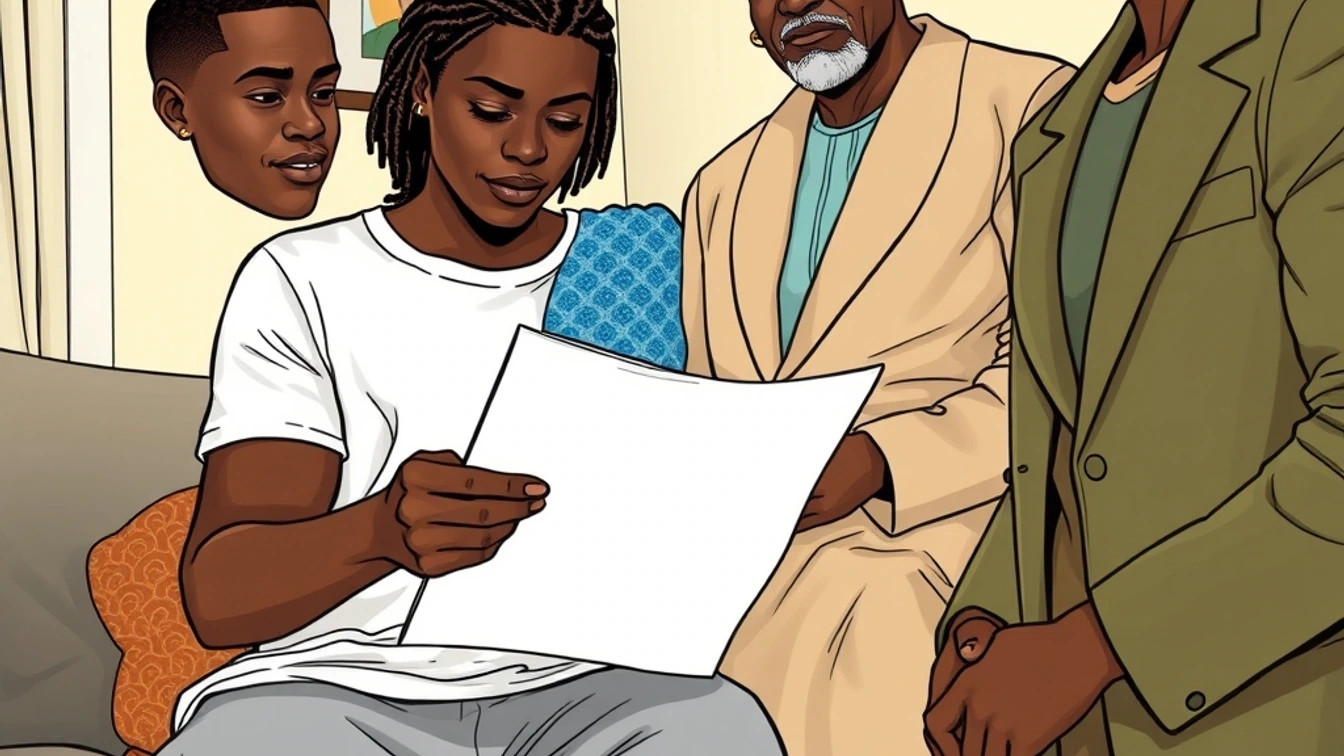
How to Verify a Study Abroad Agent in Nigeria: A Parent's Guide to Protecting Tuition Payments
Protect your family from tuition payment scams. Learn where the money actually disappears, how to verify study abroad agents in Nigeria, and secure your child's future.
August 11, 2026
10 min read
Dhub Editorial
Short answer: To verify a study abroad agent in Nigeria, contact the university directly using their official website or phone number to confirm the agent's affiliation. Never pay tuition through an unauthorized third-party agent; instead, use the university's approved payment platform or a direct bank-to-bank wire transfer using the official SWIFT/IBAN details.
The short version
Never trust third-party agents offering exclusive discounts on tuition payments; legitimate universities do not authorize these.
Verify any study-abroad agent by checking the university's official website or contacting their admissions office directly.
The safest payment method is always a direct bank-to-bank wire transfer or an official payment gateway explicitly listed by the university.
If you suspect fraud, immediately contact your bank to freeze transactions and report the incident to the EFCC and school authorities.
The Anatomy of a Tuition Scam: Where Your Money Actually Disappears
Sending a child to study overseas is one of the most significant financial and emotional investments a Nigerian family can make. With over 6 million students pursuing higher education globally and Nigerian study-abroad spending reaching an estimated $1.39 billion in 2025, the market is massive—and highly targeted by criminals. If you are a parent funding this journey, learning how to verify a study abroad agent in Nigeria is your first and most critical line of defence against devastating financial loss.
Many families fall victim to sophisticated advance-fee scams, where fraudulent consultants promise admission, visas, or scholarships for a fee, only to disappear once the money is sent. But the most dangerous loop occurs during the tuition payment phase. Scammers frequently operate unauthorized third-party payment networks, offering simple transfers or unrealistic "discounted" tuition rates to lure unsuspecting parents. When you hand cash or transfer Naira to these local agents, your money does not go to the school—it disappears into the agent's pocket, leaving your child's academic future in jeopardy.
How to Verify a Study Abroad Agent in Nigeria: The Red Flags to Screen For
Legitimate universities do contract with local recruitment agents, but fraudulent agents exploit this trust. To protect your funds, you must verify the agent’s credentials directly. You can easily do this by checking the university's official website; many institutions publish a directory of approved regional partners. For more context, read our parent's practical guide to agent verification to understand how to spot legitimate partners.
When screening an agent, watch out for these critical warning signs of an unscrupulous consultant:
Demands for large upfront payments: Legitimate agents rarely demand massive deposits before any work is done.
Offers to create false documents: If an agent offers to falsify bank statements or academic records, run. These forged documents will lead to immediate student rejection or expulsion.
Refusal to provide references: Reliable agents will gladly connect you with families they have successfully assisted.
Charging for free services: Some agents charge high fees for services that universities provide entirely for free, such as student orientation or accommodation support.
The Economic and Financial Crimes Commission (EFCC) actively prosecutes bogus education facilitators who steal student fees and personal data. Always make sure you verify the agent's relationship with the university before signing any agreement.
Access portal link directly from university website
Very Low
Unauthorised Third-Party Agent
Critical Risk
None (Relies entirely on agent's claims)
Extremely High
Always verify agent credentials directly with the university's official international office.
The 5% Discount Trap: Understanding Credit Card Chargeback Scams
One of the most destructive tuition payment scams involves the promise of an exclusive discount. In these schemes, fraudsters target Nigerian families by offering a small discount (typically around 5%) if they pay their tuition through the agent rather than the bank.
The mechanics of this scam are highly deceptive. The fraudster asks for the student's university portal credentials and uses a stolen credit card to make the tuition payment online. They then show the student a real "payment confirmation" or receipt generated by the university’s system. Believing the payment is legitimate, the parent transfers the equivalent Naira amount to the agent. Weeks or months later, when the true cardholder discovers the theft, the bank processes a chargeback. The university reverses the payment, leaving the student with an outstanding balance and the risk of immediate expulsion, while the scammers are long gone. In similar international student scams, losses have surpassed $1 million.
The Story
The Five Percent Trap
When a Lagos agent offers an irresistible discount on a UK university tuition payment, a mother's refusal to rush saves her family from a multi-million Naira disaster.
Amina — Sceptical mother and secondary school teacher in Ibadan
Tunde — Amina's son, an aspiring UK postgraduate student
Uncle Segun — Amina's enthusiastic brother who 'knows someone'
The Agent — An unverified education consultant based in Ikeja
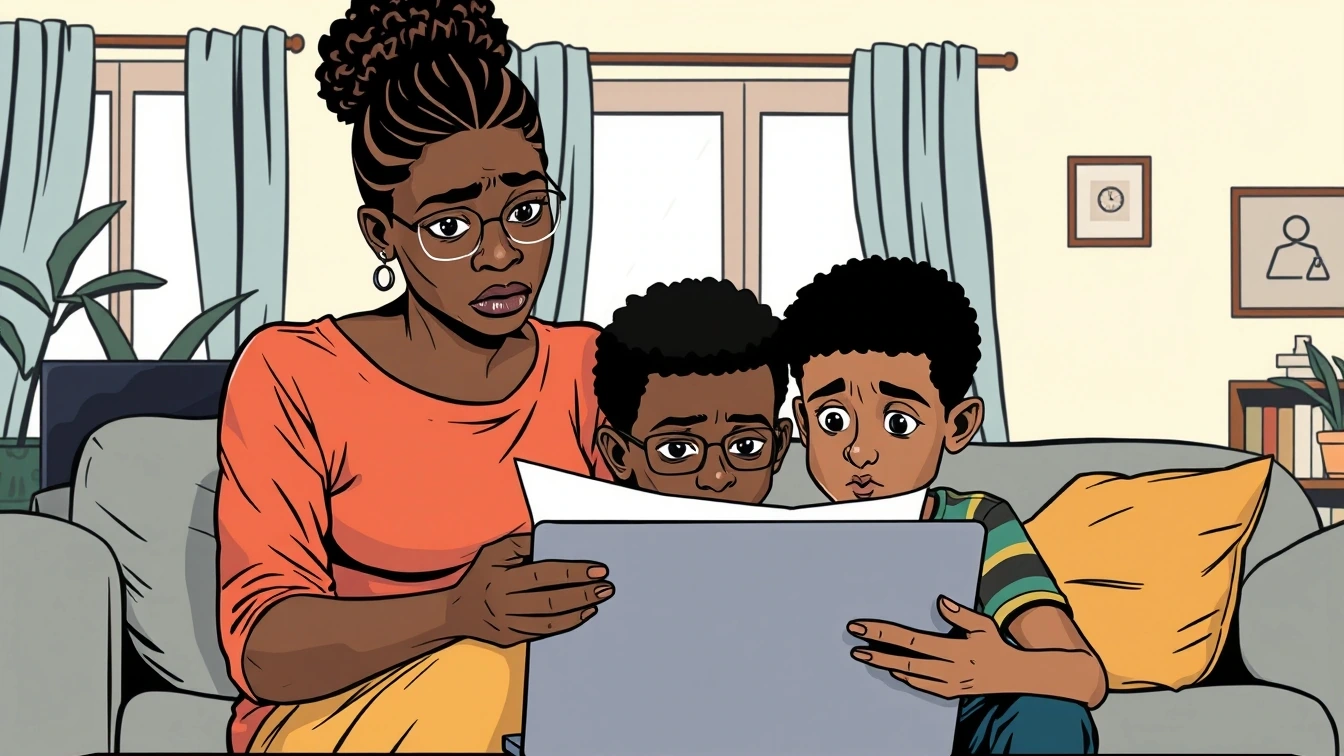
Amina reviews an urgent discount offer sent to her family WhatsApp group.
The Midnight Message
Amina sat on her velvet sofa in Ibadan, staring at her phone screen. Her brother, Uncle Segun, had just forwarded a WhatsApp broadcast to the family group chat. 'Exclusive 5% discount on UK tuition payments! Fast processing, zero bank stress!' it screamed. Tunde, her son, was already dreaming of his master's degree in London. But Amina was deeply sceptical. She had heard too many stories of families losing millions of Naira to smooth-talking consultants.
She swiped to ignore it, but Segun was already calling her. 'Amina, this man has helped three people in my church! We must act fast before the promo ends tomorrow!' Amina sighed. She knew that acting fast is exactly how scammers pressure families into making rushed, irreversible financial decisions. She promised to look into it, but resolved to keep her hand firmly on her purse.
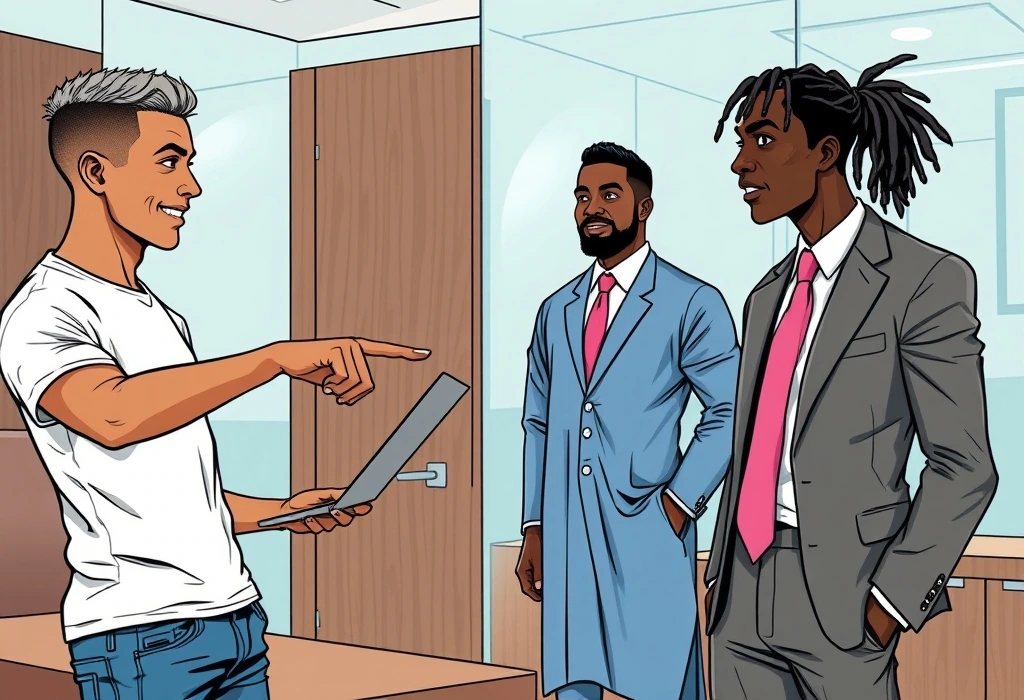
The Agent demonstrates a 'successful' tuition transaction on his laptop.
The Ikeja Meeting
The next afternoon, Uncle Segun dragged Tunde to the Agent's office in Ikeja. The office looked impressively professional, decorated with foreign flags and glossy university brochures. The Agent sat behind a heavy mahogany desk, wearing a sharp grey suit with a pink tie. He opened his laptop, showing Tunde a payment confirmation page with the logo of Tunde's chosen UK university.
'See? I have already initiated the payment on your student portal,' the Agent said, flashing a confident smile. 'Just transfer the Naira equivalent of the discounted rate to my local business account, and the official PDF receipt is yours.' Tunde's heart raced with excitement. It felt so real, yet something about the Agent's extreme eagerness made him hesitate. He remembered his mother's strict warning: never pay without verification.
Amina intervenes over the phone, halting the immediate transfer of funds.
The Skeptic's Call
In Ibadan, Amina's phone rang. It was Tunde, whispering from the corridor of the Ikeja office building. 'Mummy, Uncle Segun is about to transfer six million Naira to the Agent's local account. The Agent says the discount expires in fifteen minutes or the portal will lock!' Amina stood up from her dining table, her jaw set. 'Put me on speakerphone, Tunde. Do not let your uncle touch his banking app.'
Amina demanded to speak directly to the Agent. 'Sir, where did you get this payment authorisation? Is your agency listed on the university’s official payment website?' she asked. The Agent's voice turned sharp, accusing Amina of trying to ruin her own son's future with unnecessary doubts. But Amina remained calm and unyielding.
The Agent's composure slips when asked to verify the credit card details.
The Disappearing Act
Amina refused to back down. 'Segun, look at that payment confirmation on his laptop again,' she commanded over the speakerphone. 'Whose credit card was used to make that transaction?' The Agent began to sweat, nervously adjusting his pink tie. He claimed it was a 'special corporate visa account,' but Tunde leaned over the desk and noticed the name on the screen did not match the agency or the school.
It was a random foreign name. Amina, listening to Tunde's description, warned them loudly: 'If that card is stolen, the university will reverse this payment next month when the true owner files a chargeback. You will lose your Naira, and Tunde will be expelled. We are leaving that office right now!' The Agent slammed his laptop shut, his polite facade completely evaporating.
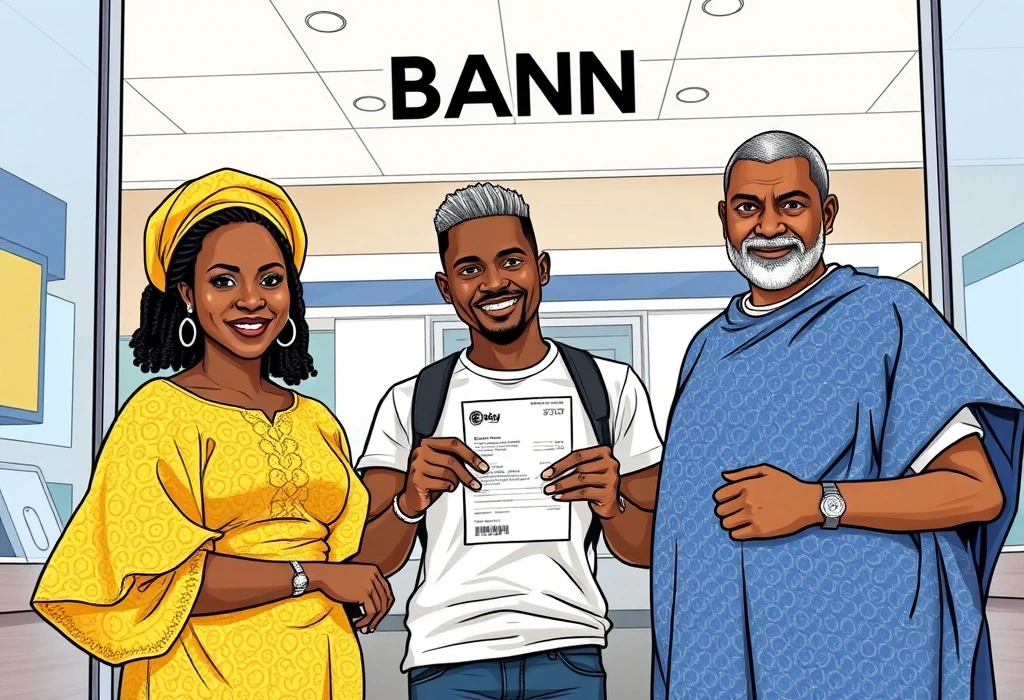
The family successfully processes a secure, direct tuition payment at the bank.
Direct and Safe
Two days later, the family gathered at a local bank branch in Ibadan. Amina had verified the university's official bank details directly from the school's secure website, bypassing all third-party intermediaries. Together with Tunde and Segun, they completed a secure, direct bank-to-bank wire transfer using Tunde's official student reference number.
There were no 'discounts,' but there was absolute peace of mind. Tunde held the bank receipt, knowing his tuition was safe and his enrollment secure. Segun shook his head in relief, thanking Amina for her stubbornness. 'Sometimes,' Amina smiled, packing her papers, 'being difficult is the only way to protect what you have worked so hard to build.'
What this story proves: Never trust a third party offering 'discounted' tuition payments; always pay the university directly through their approved, official payment channels.
Safe Payment Practices: How to Send Money Securely
The safest way to pay tuition is to bypass agents entirely and make payments directly to the institution. To ensure your funds arrive safely, follow these steps:
Use a direct bank-to-bank wire: An international bank wire transfer remains one of the most secure, traceable payment methods for large tuition fees.
Verify bank details directly: Always confirm the university's SWIFT code, IBAN, beneficiary name, and account number by visiting their official website. Never rely on payment instructions sent via unsolicited emails or text messages.
Use approved payment gateways: Only process digital transactions through platforms explicitly listed on the school's website (such as Flywire or Convera). Do not click on payment links sent to you on social media or by unknown callers.
Include the student reference: Always add your child's unique student ID or reference number to the payment memo so the university's finance department can match the funds.
Save and send proof of payment: Keep your transaction receipt and bank statement, and email a copy directly to the university's finance office.
Direct bank-to-bank wire transfers are the safest way to pay tuition fees.
What to Do If You Suspect or Experience Fraud
If you discover that your financial or personal information has been compromised, you must take immediate action. First, contact your financial institution to freeze your accounts and attempt to reverse any unauthorized transactions. Next, change your online passwords and enable two-factor authentication on all personal and educational portals to secure your accounts.
You must also report the fraud to the proper authorities. In Nigeria, you should file reports with the Economic and Financial Crimes Commission (EFCC), the Nigerian Police Force, or the DSS. Be realistic: once money is sent to a scammer via untraceable means, recovery is incredibly difficult. Even high-profile individuals have lost millions of dollars to complex advance-fee schemes with no way to recover their assets due to legal complications. Scepticism and prevention are your best tools. To understand the true costs and avoid being misled by fake financial promises, review our honest analysis of UK study costs for Nigerian families.
Frequently asked questions
Can a study abroad agent get me a discount on my tuition fees?
No. Legitimate universities do not offer tuition discounts through third-party agents. Anyone promising a discount on your tuition is likely running a credit card chargeback scam, which will result in your money being stolen and your enrollment cancelled.
How do I know if an education agent is officially recognized by a university?
You can verify an agent by checking the 'International' or 'Partners' section of the university’s official website. Many universities publish a list of approved regional representatives. If they are not listed, contact the university's admissions office directly to confirm.
What should I do if I have already paid a fraudulent agent?
Immediately contact your bank to freeze any pending transactions or request a chargeback if possible. Collect all receipts, communication records, and bank statements, and file an official report with the Economic and Financial Crimes Commission (EFCC) and your local police station.
Researched and drafted with AI against the sources listed above, then published by Dhub Education. Policies and costs change quickly — always confirm details with the university or the relevant government body before you act.